
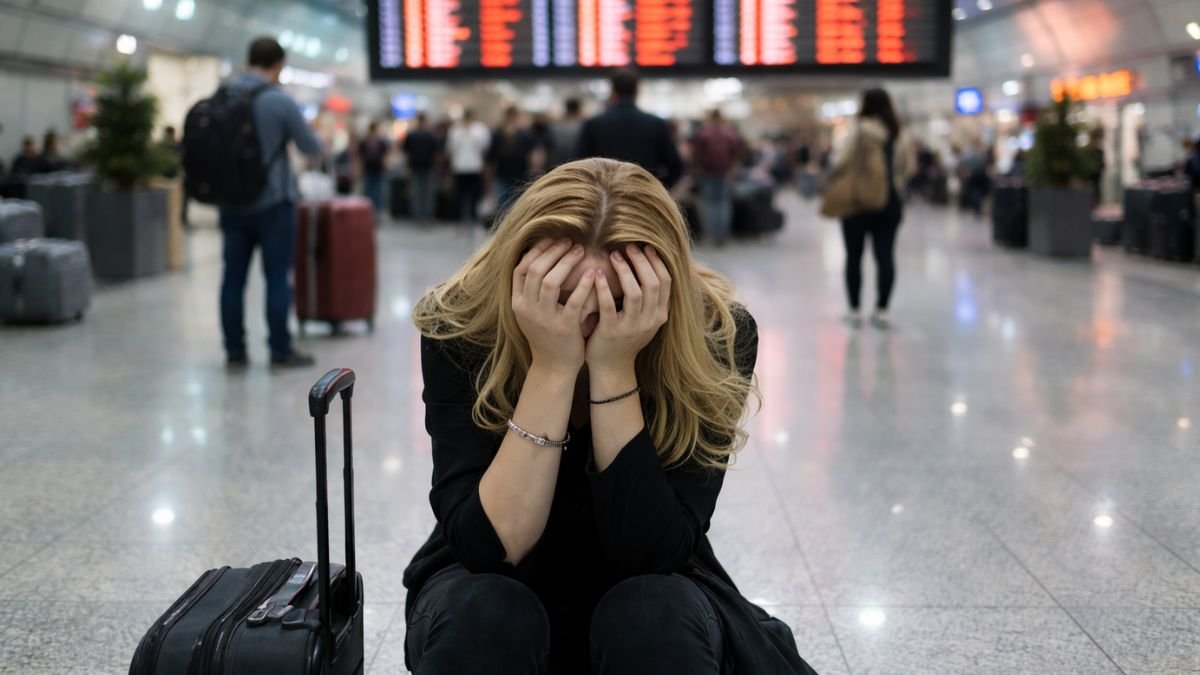
Thousands of travellers across Asia faced major disruptions as widespread flight delays and cancellations hit key aviation hubs. Recent data shows 2,699 delays and 186 cancellations across countries including China, Thailand, Singapore, Malaysia, Indonesia, and Hong Kong, affecting both regional and international travel.
The disruptions impacted major airports and leading airlines, leaving passengers stranded and forcing last-minute travel changes.
масштаб of Flight Disruptions Across Asia

The aviation disruption was widespread, with several of Asia’s busiest airports reporting significant operational challenges.
Some of the most affected airports include:
- Beijing Capital International Airport: 124 delays, 20 cancellations
- Shanghai Pudong International Airport: 242 delays, 21 cancellations
- Hong Kong International Airport: 202 delays, 4 cancellations
- Singapore Changi Airport: 124 delays, 3 cancellations
- Kuala Lumpur International Airport: 190 delays, 0 cancellations
- Suvarnabhumi Airport: 292 delays, 2 cancellations
- Jakarta Soekarno–Hatta International Airport: 164 delays, 13 cancellations
In addition, several secondary airports across China—including Shenzhen, Guangzhou, Chengdu, and Xi’an—also reported high levels of disruption.
Airlines Most Affected by Delays and Cancellations

A number of major airlines experienced operational challenges, with some recording hundreds of disruptions.
Key affected airlines include:
- China Eastern Airlines: 341 disruptions
- China Southern Airlines: 185 disruptions
- Air China: 177 disruptions
- Thai AirAsia: 160 disruptions
- AirAsia: 132 disruptions
- Cathay Pacific: 85 disruptions
Other airlines such as Singapore Airlines, Malaysia Airlines, Garuda Indonesia, IndiGo, and Air India also reported delays.
Key Patterns Behind the Disruptions
The disruption trend revealed clear regional differences:
- China’s major hubs saw a mix of delays and higher cancellation rates, particularly in Beijing, Shanghai, and Xi’an.
- Southeast Asian airports such as Bangkok, Kuala Lumpur, and Jakarta experienced mostly delays rather than cancellations.
- Low-cost carriers contributed significantly to delays, especially in high-traffic routes.
Airports like Suvarnabhumi in Bangkok recorded the highest number of delays, while Xi’an Xianyang saw some of the highest cancellations in China.
What Travellers Should Do During Disruptions
Passengers affected by flight disruptions can take several steps to manage the situation effectively:
- Check flight status regularly through airline apps or official airport websites
- Arrive early at the airport to allow extra time for delays
- Stay in contact with airlines for rebooking options or compensation
- Keep essential items and travel documents easily accessible
- Monitor weather and operational updates
- Consider flexible travel plans where possible
Being proactive can help reduce stress and improve chances of securing alternative arrangements quickly.
Conclusion
The large-scale flight disruptions across Asia highlight the challenges faced by major aviation networks during peak travel periods and operational strain. With thousands of delays and cancellations affecting key hubs in China and Southeast Asia, passengers experienced significant inconvenience.
While delays were more common in Southeast Asia, cancellations were more concentrated in China’s busiest airports. Airlines and airports continue to manage high traffic volumes, but travellers are advised to stay informed and flexible.
As global travel demand continues to rise, such disruptions underline the importance of preparedness and real-time updates for passengers navigating busy air travel systems.