
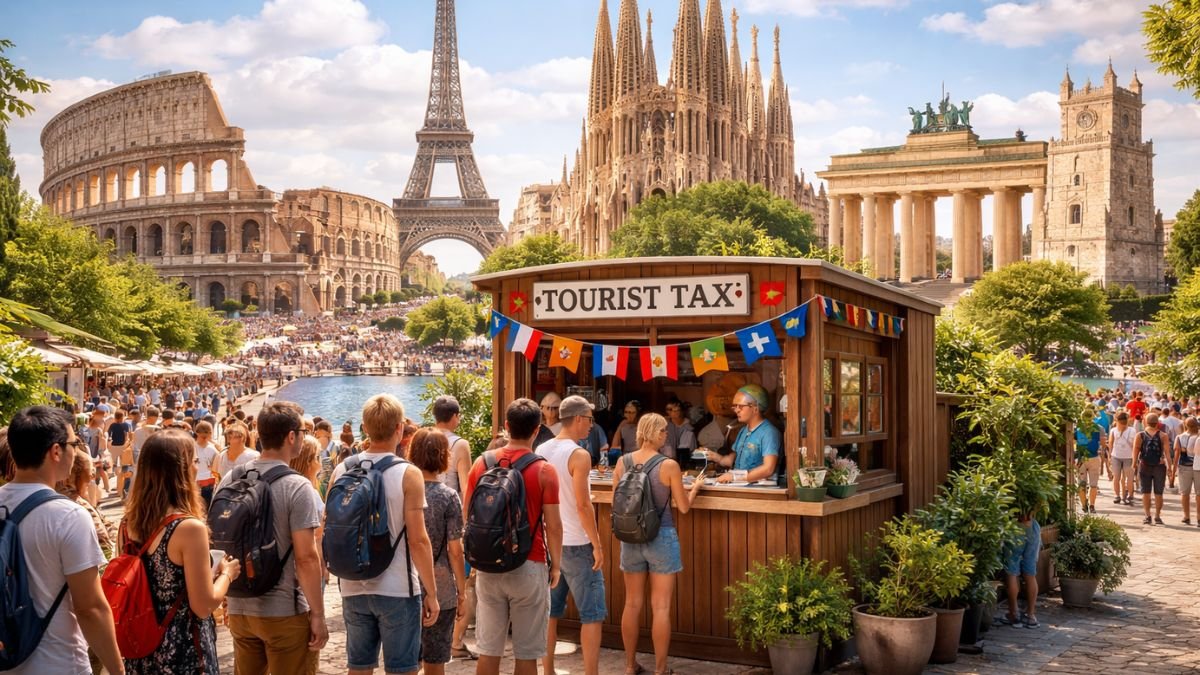
In 2026, several major European countries—including Italy, France, Spain, Germany, and Portugal—are introducing higher tourism taxes as part of a broader strategy to manage overcrowding and promote sustainable travel.
These measures are designed not only to generate revenue but also to protect local infrastructure, preserve cultural heritage, and improve the overall visitor experience.

As international travel continues to rebound, especially across popular destinations, governments are taking proactive steps to ensure tourism remains balanced and sustainable.
Why Europe Is Increasing Tourism Taxes
Tourism has surged in recent years, placing pressure on cities, transport systems, and local communities. Countries across Europe are now responding with structured tax policies aimed at:
- Reducing overcrowding in major tourist hubs
- Funding infrastructure and public services
- Encouraging responsible and sustainable tourism
- Preserving cultural landmarks and environments
These changes reflect a shift toward long-term tourism management rather than short-term economic gain.
Italy Leads with Expanded City Taxes

Italy remains one of the most visited countries in Europe and is at the forefront of these changes. Cities such as Rome, Venice, and Florence have expanded their city tax systems.
- How it works: Visitors pay a nightly tax based on accommodation type
- Higher charges: Luxury hotels typically apply the highest fees
- Payment method: Usually added to hotel bills or paid directly for short-term rentals
These taxes aim to reduce congestion while supporting city maintenance and tourism services.
France Introduces Similar Measures
France has followed Italy’s model, particularly in cities like Paris.
- Taxes vary depending on accommodation quality and location
- Charges are often automatically added at check-out
- Revenue is used to support tourism infrastructure and local services

The goal is to manage visitor flow while maintaining the appeal of iconic destinations.
Spain Targets Overcrowded Destinations
Spain has implemented tourism taxes in high-demand areas such as Barcelona.
- Designed to ease pressure on local resources
- Higher rates for premium accommodations
- Lower fees for budget options
These taxes help balance tourism growth with the needs of local residents.
Germany and Portugal Join the Trend
Germany and Portugal are also introducing or expanding tourism-related charges.
In Germany:
- Cities like Berlin and Munich apply city-based taxes
- Charges are often included in hotel bills
- Additional regulations are being introduced alongside travel systems
In Portugal:
- Cities such as Lisbon and Porto are implementing similar taxes
- Fees vary based on accommodation type and location
- Payments may be automatic or collected in cash for rentals
ETIAS: A New Travel Requirement
Alongside tourism taxes, Europe is introducing the European Travel Information and Authorization System, expected to be fully implemented by late 2026.
- Required for travelers from visa-exempt countries
- Applies to stays of up to 90 days within 180 days
- Requires an online application and small fee
- Approval is linked to your passport and valid for three years
This system aims to improve border security and streamline entry processes.
How These Changes Affect Travelers
Visitors planning trips to Europe in 2026 should expect:
- Additional accommodation costs due to city taxes
- Slightly higher overall travel budgets
- More structured travel regulations
- Increased focus on sustainable tourism practices
Planning ahead is essential to avoid unexpected expenses.
Tips for Travelers
To prepare for these changes:
- Check city tax rates before booking accommodation
- Budget extra funds for local charges
- Apply for ETIAS authorization in advance
- Confirm payment methods for rentals
- Stay updated on local regulations
Being informed can help ensure a smooth and enjoyable travel experience.
Conclusion
The increase in tourism taxes across Europe in 2026 marks a significant shift in how countries manage travel and sustainability. While these changes may add to travel costs, they are aimed at preserving destinations and improving the overall experience for visitors.
By planning ahead and understanding the new requirements, travelers can continue to enjoy Europe’s top destinations without disruption.